Delaware Fly Report
Nothing ruins a beach day like biting flies. Greenheads and stable flies breed in Delaware's marshes, then ride a west wind onto the sand. That's why one beach can swarm while another a few miles off stays clear. See where they're bad now and pick a better beach before you pack the car.
0 is clear. 10 is bad enough to leave.
Scores are modeled from live forecast wind, temperature, and rain, not live bug counts. Treat it as a good guess, not a guarantee.
Beaches · clearest tomorrow first
The flies are down for the night. Showing tomorrow's outlook.
Delaware beach fly FAQ
What is the Delaware Fly Report?
A live 0–10 forecast of how bad the biting flies are at each Delaware beach right now. 0 is a clear day. 10 is bad enough to pack up and leave. The number blends how many flies are around (season and beach) with whether today's wind is pushing them onto the sand.
Greenheads vs. stable flies: what's the difference?
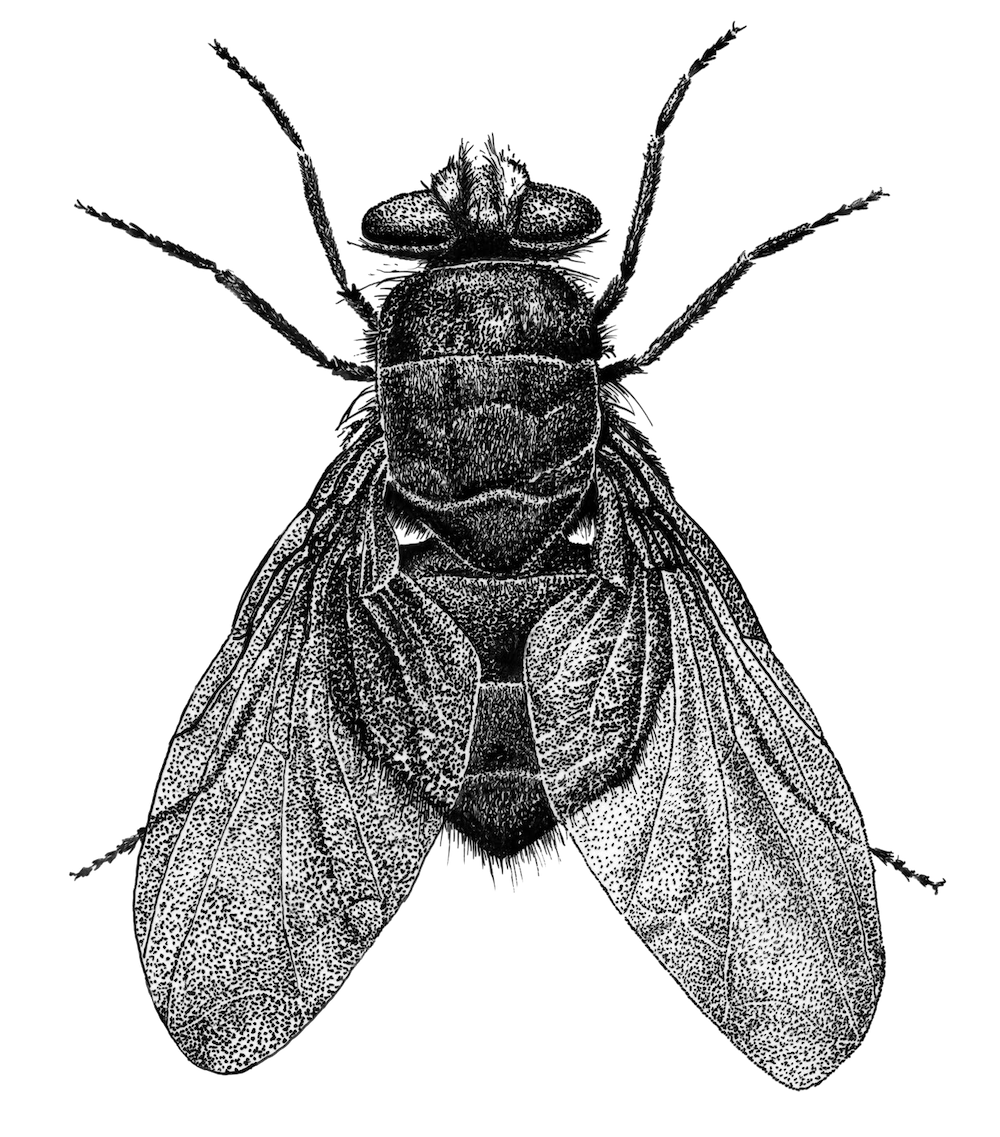
Greenheads are big green-eyed horse flies that breed in the salt marsh and peak in July. They chase, they hurt, and they won't follow you into the water. Stable flies are smaller, bite your ankles, live in the rotting seaweed along the weed line, and peak later in summer. Same forecast, but you avoid them a little differently.
Why does wind matter so much?
The flies breed in the marsh behind the beach, not on the sand. A west wind blows them out over the beach and it takes about a day to really pile up. When the wind swings back off the ocean, it takes about a day to clear out. So the same beach can go from unbearable to fine in an afternoon.
When are the flies worst?
Hot, still afternoons in mid-summer with a wind off the marsh. Greenheads peak in July and stable flies build later into September, while cool, rainy, or breezy-off-the-ocean days knock them right down. Early morning and evening are usually calmer than mid-afternoon.
Which beaches have the fewest flies?
It depends on the wind that day, which is why the list above reorders itself hourly. As a rule, ocean-facing towns like Rehoboth, Bethany, and Fenwick Island stay clearer because the marsh sits well inland. Bayfront spots like Broadkill, Slaughter, and Prime Hook back right up to the wetlands, so they bug up first when the wind turns out of the west. Check the live scores before you drive.
What actually keeps the flies off you?
The reliable fixes are physical, not chemical. Greenheads won't follow you into the ocean, so the water is your best escape. Set up near the waterline and away from the dune grass and the seaweed line, where stable flies hang out. A steady breeze grounds them, so windier, onshore days beat hot, still ones. A clip-on or battery fan does the same job up close: aim it at your legs and it keeps the ankle-biting stable flies off, since they're too weak to hold their spot in moving air. Cover your ankles and feet, and wear light colors, since horse flies lock onto dark, moving shapes. Repellents like DEET or picaridin get mixed reviews on horse flies: they help some people and barely dent it for others, so treat them as a maybe. The one thing everyone agrees on is to pick a beach where the wind isn't blowing off the marsh, which is exactly what this site is for.
How accurate is the forecast?
It's a model, not a bug counter. It runs the real hourly forecast (wind direction and speed, temperature, rain) through what's known about how these flies behave. It's good at the big call, like whether it's a marsh-wind day and you should stay east. It can't predict the one fly that still finds your ankle.
What do the crowd reports do?
When you tap No flies / Annoying / Severe from a beach page, your report is logged and shared with everyone looking at that beach. To keep one person from swinging the number, a single report doesn't move it. The crowd only starts nudging the score once a handful of people agree, and even then it pulls it only partway; the model always keeps a say. Reports lean toward the freshest and fade out over a few hours.